

Real Estate CRM: A Practical Guide for U.S. Agents and Brokerages
Choose and configure a real estate CRM for buyer and seller journeys, timely follow-up, transaction handoffs, lead quality and privacy.
Verás un breve anuncio para poder continuar.
Choose and configure a real estate CRM for buyer and seller journeys, timely follow-up, transaction handoffs, lead quality and privacy.
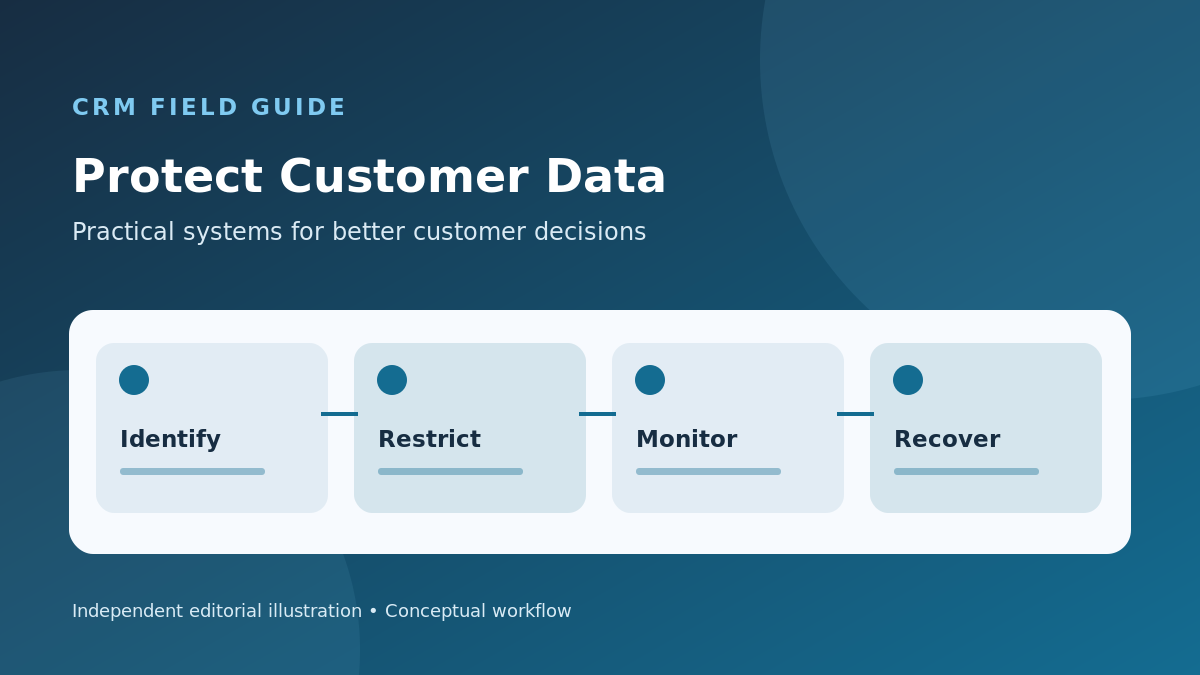
Evaluate CRM permissions, MFA, integration risks, vendor controls, incident response, and HIPAA considerations for sensitive records.
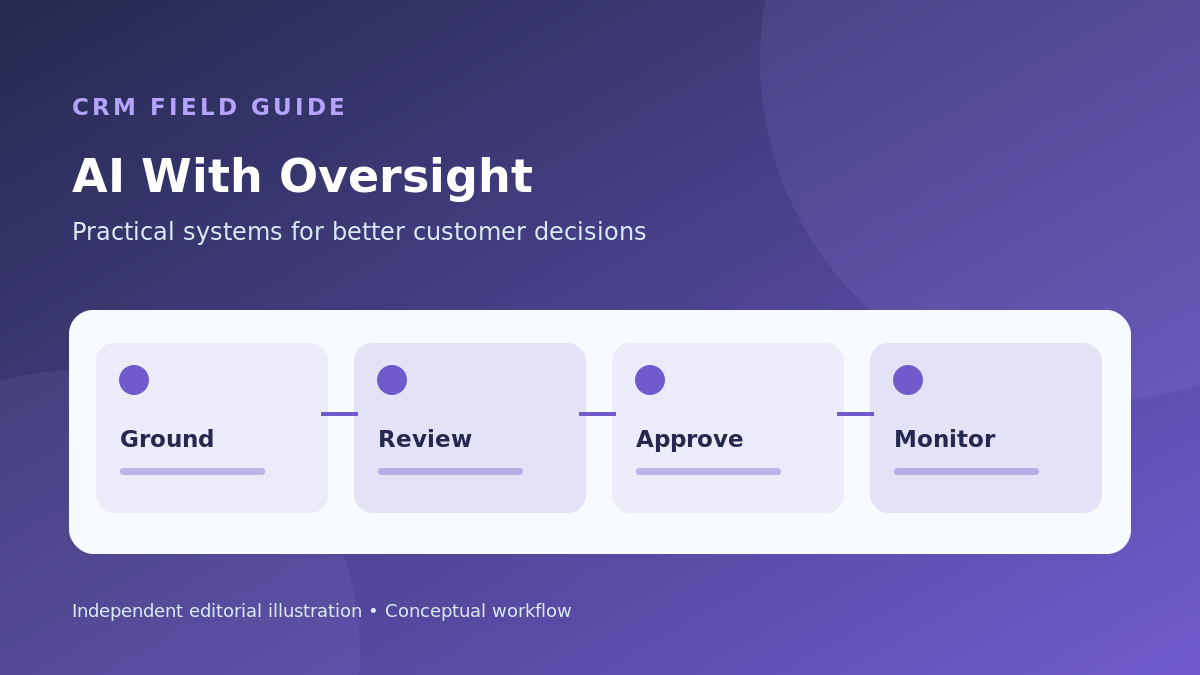
Assess AI CRM summarization, lead scoring and agents with oversight, data privacy, pilot metrics, risk controls, and vendor questions.
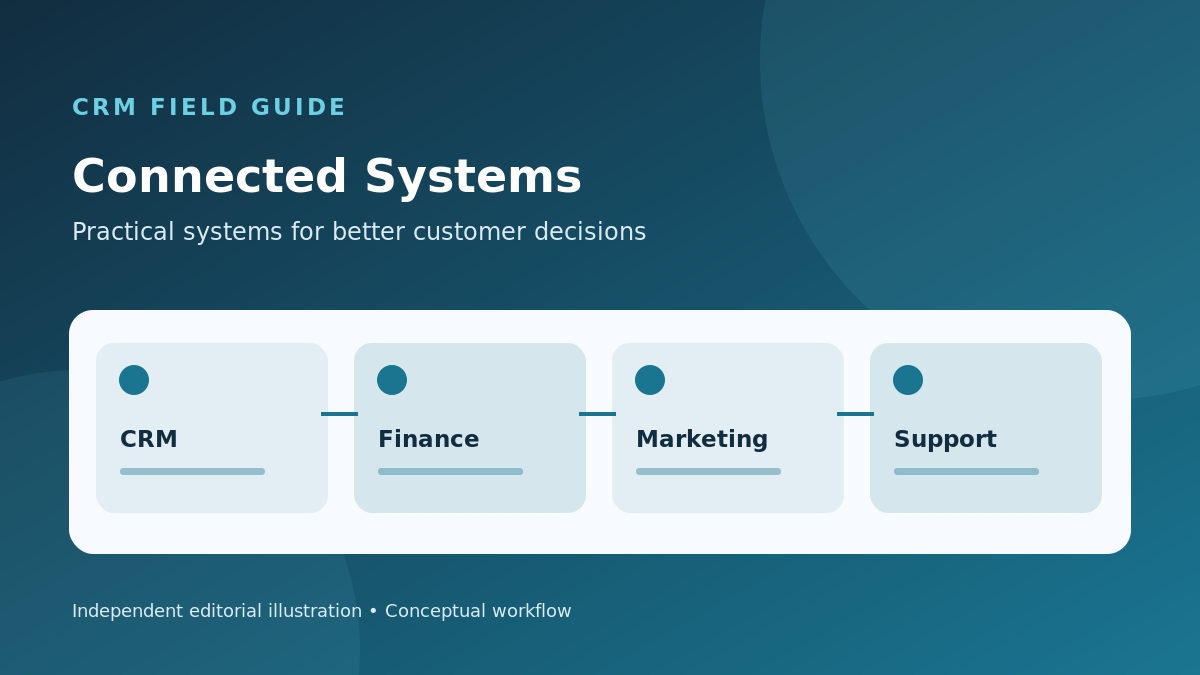
Design CRM integrations with authoritative data ownership, careful permissions, error monitoring, and practical connectors and API decisions.
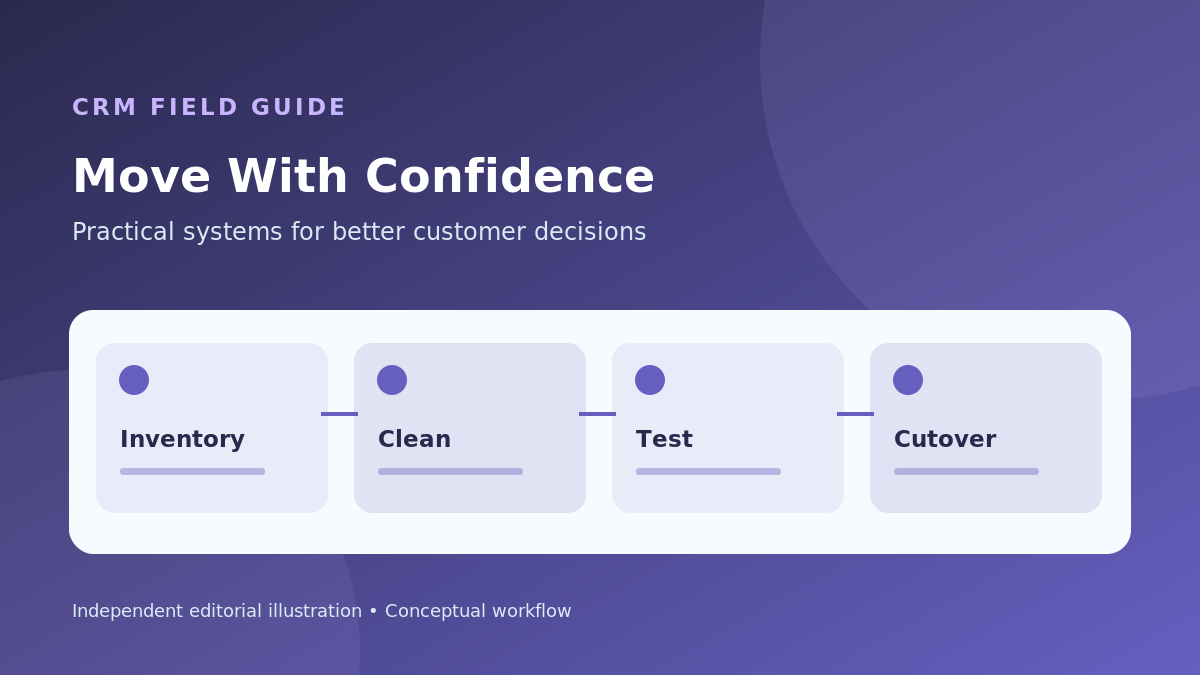
Plan a safer CRM migration with source inventories, field mapping, duplicate controls, pilot imports, reconciliation, and rollback.
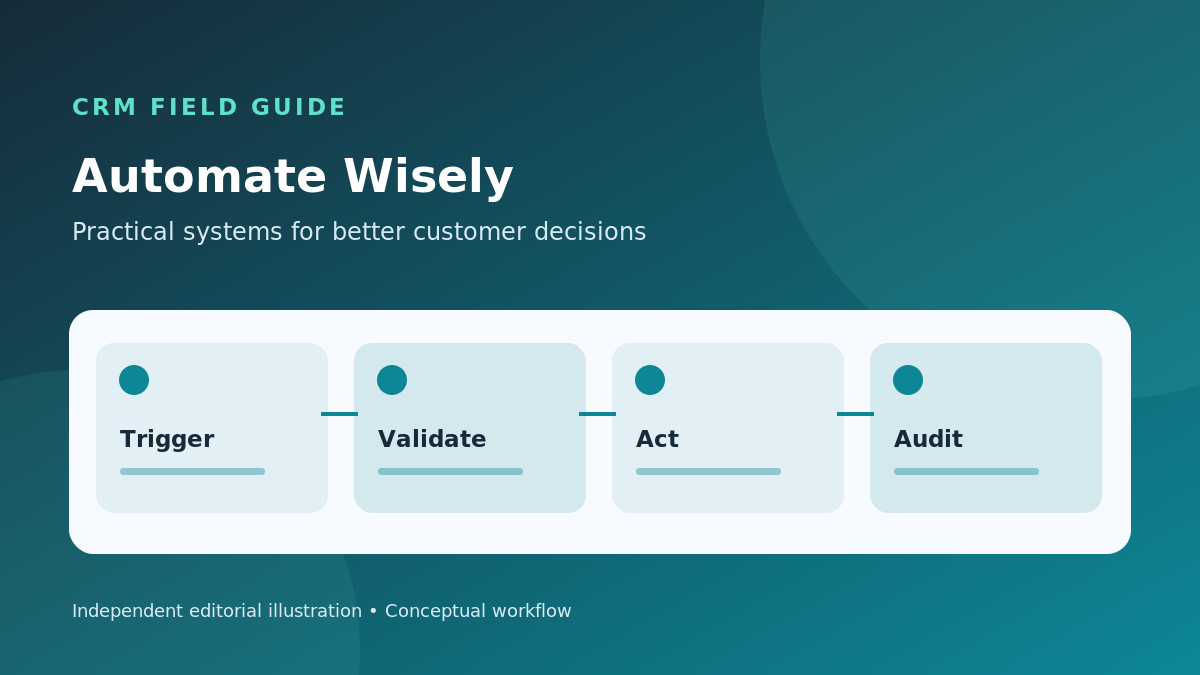
Learn what CRM tasks to automate, how to design reliable workflows, preserve consent, handle failures, and measure productivity gains.
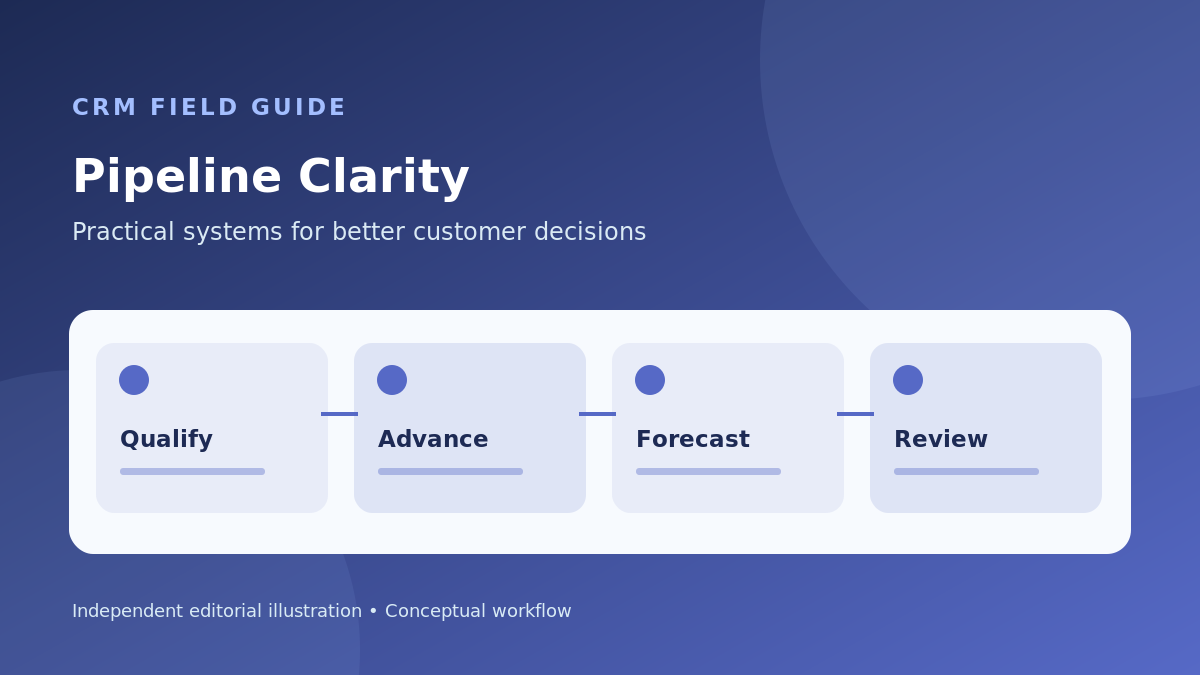
Build evidence-based CRM pipeline stages, improve forecast quality, use stage aging and leading indicators, and run better sales reviews.
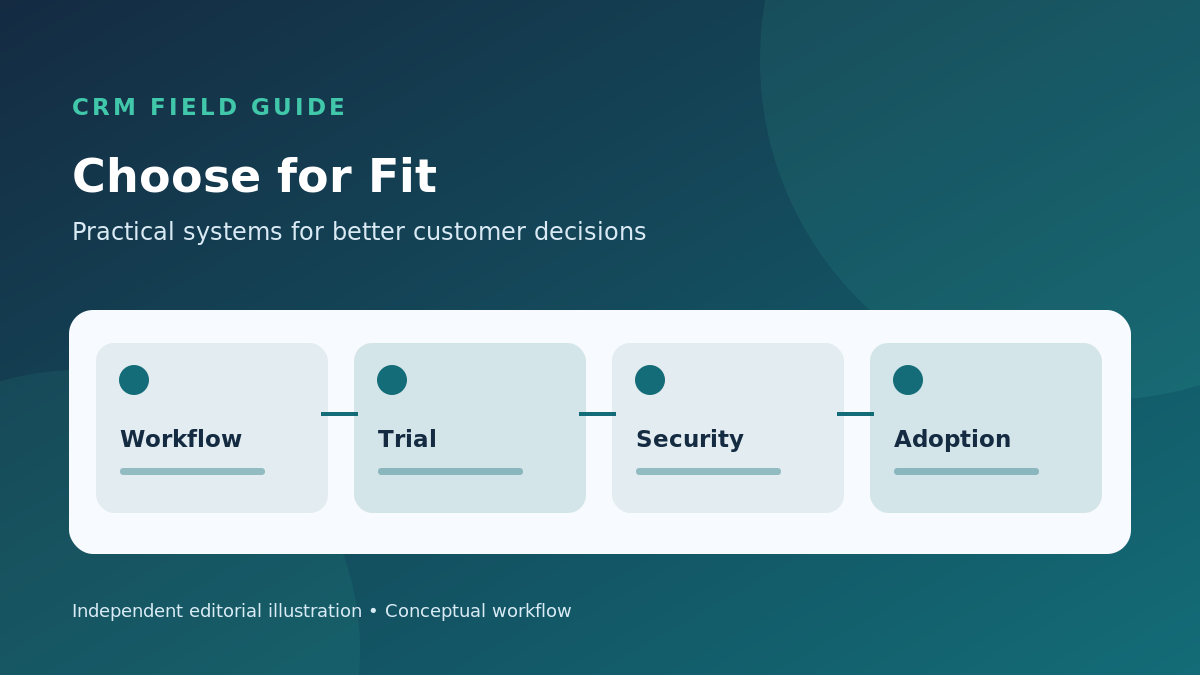
Compare CRM platforms with a buyer checklist, realistic trials, usability testing, feature priorities, pricing, and rollout advice.

Calculate CRM total cost of ownership with a 3-year example, seat licensing, hidden fees, ROI analysis, and a practical procurement checklist.